SMART AGRO MESH
Original price was: ₹2,000.00.₹1,999.00Current price is: ₹1,999.00.
Description
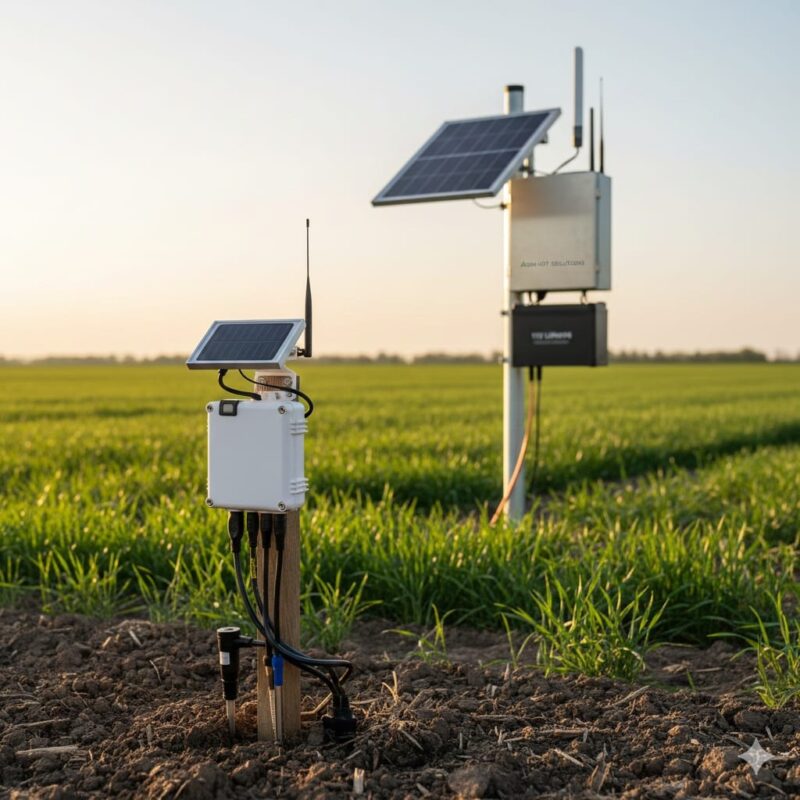
This project aims to support small-scale farmers by giving them accurate, real-time information about their fields, something many rural farmers currently lack. Today, most farmers depend on guesswork to decide when to water their crops, how much fertilizer to use, or how to prepare for sudden weather changes. This often leads to wasted resources, lower yields, and unnecessary financial losses. Our solution changes this by creating a simple, affordable, and reliable solar-powered IoT Smart Farm Network that brings real data directly to the farmer.
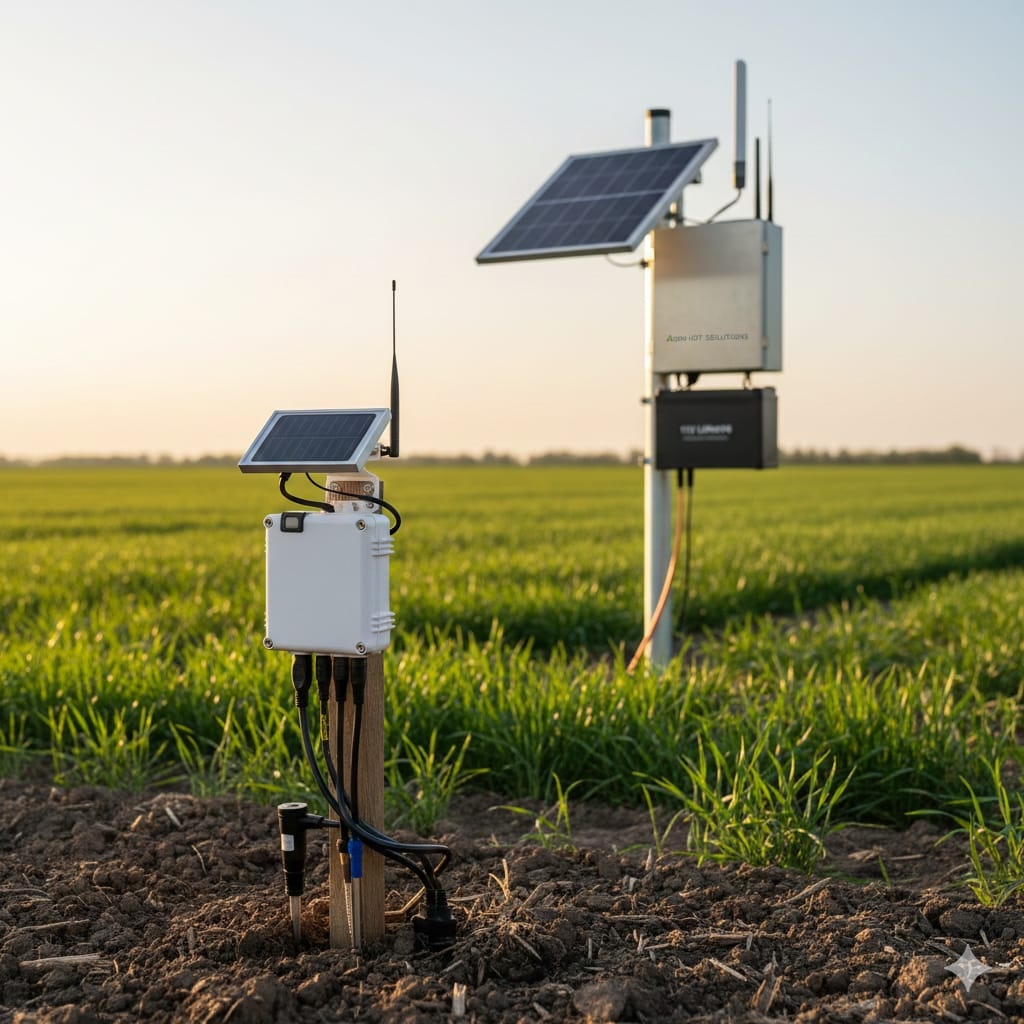
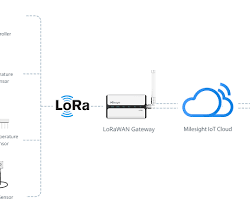
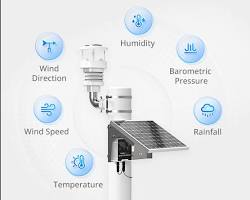
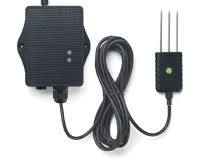
The system uses small, durable sensors placed across the farm to measure important conditions like soil moisture, temperature, NPK nutrient levels, humidity, sunlight, and rainfall. These sensors use LoRaWAN, a long-range, low-cost communication technology that works well even in remote villages. The data from all sensors is collected by a solar-powered gateway and sent to the cloud through mobile or satellite networks. Once the data reaches the cloud, it is analyzed and converted into easy-to-understand advice for farmers. They receive this advice through a mobile app or SMS, helping them decide exactly when to irrigate, how much fertilizer to apply, and how to protect their crops from weather-related risks.
The project will grow over several phases: starting with pilot testing, then adding AI-based crop recommendations, reducing hardware costs for large-scale adoption, and linking with government schemes like crop insurance. In the long term, the goal is to build a nationwide micro-weather network and create digital models of farms to support climate-smart agriculture.
Overall, this project empowers farmers with knowledge, reduces resource wastage, and helps them improve productivity and income.
Related products
-
-
-
Sale!

-
Sale!
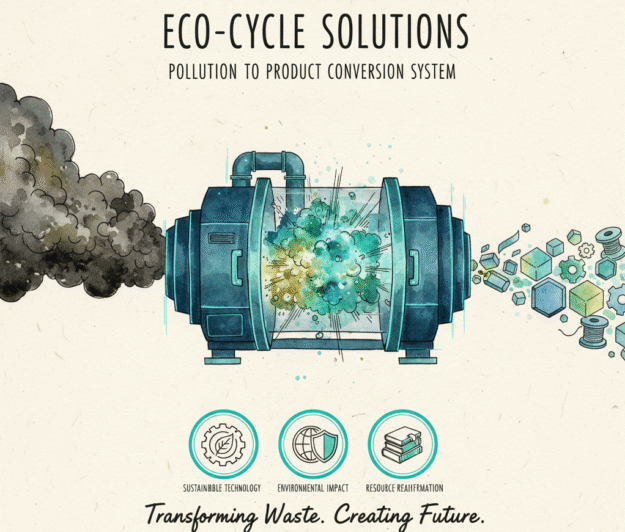
Pollution-to-Product Conversion System (P2PCS)
Original price was: ₹1,000.00.₹500.00Current price is: ₹500.00.