Suraksha Setu
₹500.00
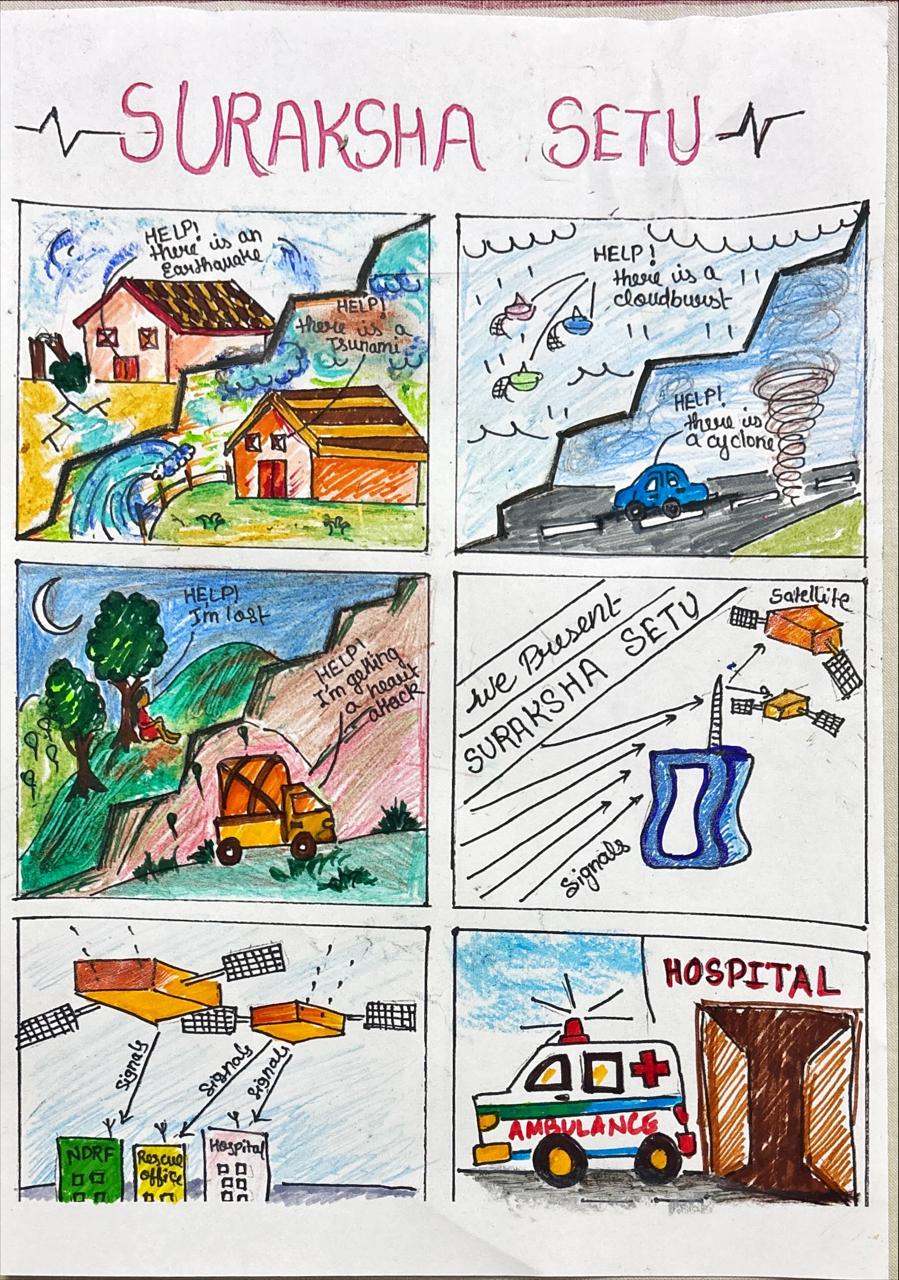
Suraksha Setu is a free satellite-enabled SOS platform for India’s tier-2 and tier-3 regions and persons at risk during natural disasters. It ensures safety in places where cellular networks are unreliable. The platform helps people in distress, such as during medical emergencies or natural disasters such as cyclones, floods and earthquakes. It provides instant GPS alerts and a scalable response network that links communities to quick assistance.
Description
• Core Problem Unequal Access: Emergency services are available easily in large cities, but people put at risk due to natural disasters, remote workers, commercial drivers, hikers, fishermen and over 450 million people in tier-2 and tier-3 regions do not receive adequate service.
o Critical Risk: injury or loss of life due calamities and accidents, seizures, heart attacks, often lead to fatalities due to delays in response when networks fail.
o Solution Satellite Connectivity Layer: When users encounter emergencies beyond cell coverage, they can send SOS signals that connect via satellite.
• Instant SOS Alerts: Users can send alerts manually or through health sensors, each providing GPS location data for quick response.
o Disaster Readiness: During floods, earthquakes, or cyclones, Suraksha Setu keeps communication lines open for rescue coordination.
o Affordable Access: External dongles or adapters may be needed, but these are designed to be low-cost and widely available.
o Integrated Response Network: Alerts go through cooperatives, fleet operators, and government programs, forming a scalable safety net.
• Implementation Strategy:
o Pilot (0–6 months): Test with high-risk groups in tier-2 and tier-3 regions.
o Tech Access (6–12 months): Launch apps and subsidized dongles or adapters.
o Partnerships (12–18 months): Establish response channels with cooperatives and government programs.
o Scale-Up (18–36 months): Expand city by city, providing access nationwide.
• Impact Lives Saved: Faster SOS response lowers fatalities in underserved and disaster-stricken areas.
o Coverage Expanded: Emergency communication reaches over 450 million people outside cell networks.
o Social Equity: Safety becomes a right for everyone, not just a privilege for those in urban areas


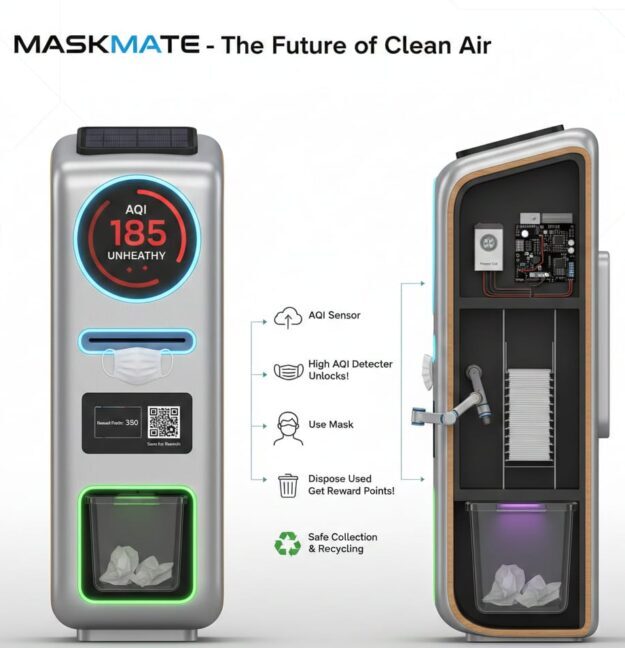 Support For Smart Mask Dispenser With Safe Disposal System for Healthy World
  BazzarBuddy
  Apni Bhasha.ai